
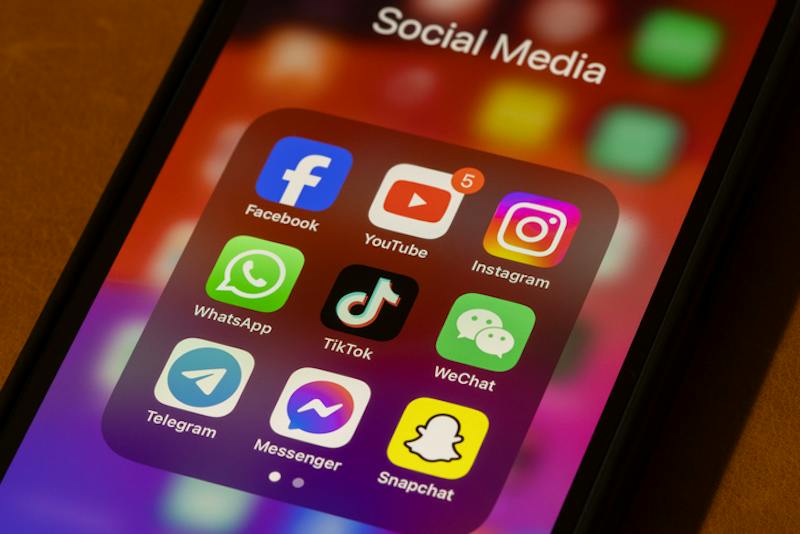
Social media posts can be used against you in a Florida criminal case, and prosecutors rely on them more often every year. Photos, videos, comments, and even deleted posts can become evidence once they are properly authenticated under Florida law.
At O'Mara Law Group, founding attorney Mark O'Mara is double board-certified in Criminal Trial Law and Marital and Family Law, and the firm has direct experience managing the intersection of social media and criminal cases, dating back to its work on the nationally covered Zimmerman trial. Here, we discuss how social media evidence gets into court, what typically shows up in Florida criminal cases, and what steps can help protect you if you're under investigation.
What Makes a Social Media Post Admissible Evidence?
A social media post is admissible only after it clears Florida's authentication requirement. Under Florida Statute 90.901, the party offering evidence must show it is sufficient to support a finding that the item "is what its proponent claims."
For a post, that generally means connecting the account to the defendant through some combination of:
- Content only the account holder would reasonably know or have access to
- Testimony from someone familiar with the defendant's account or online activity
- Account registration details tied to the defendant's email or phone number
- IP address or device records linking the post to the defendant
Florida courts have described this authentication bar as relatively low. As explained in The Florida Bar Journal's overview of social media evidence admissibility, the standard asks only whether there is sufficient evidence to support a reasonable finding of authenticity, not conclusive proof. Once that threshold is met, the post is treated like any other piece of physical or documentary evidence at trial.
How Do Prosecutors and Police Obtain Social Media Evidence?
Prosecutors and investigators gather social media evidence through public viewing, search warrants, subpoenas issued to the platform, and cooperating witnesses who forward screenshots or messages.
Federal law under the Stored Communications Act, 18 U.S.C. Section 2701 and following, governs when and how law enforcement can compel a platform to turn over stored account data, including private messages and deleted content that a company still retains on its servers.
A public post requires no warrant at all since anyone, including a detective, can view and preserve it. Private content is a different matter, and law enforcement generally needs a legal process to compel a platform to disclose it.
When that process is skipped or conducted improperly, a defense attorney may challenge how the evidence was obtained and move to suppress it.
What Types of Posts Commonly Come Up in Criminal Cases?
Social media evidence tends to appear across the same categories of criminal charges O'Mara Law Group regularly defends, including DUI, assault, drug offenses, and domestic violence matters.
Common examples include:
- Photos or stories showing alcohol consumption before a DUI arrest
- Geotagged check-ins that contradict a stated alibi
- Captions or comments that admit to conduct connected to a pending charge
- Direct messages discussing plans that later match the alleged offense
- Videos capturing an altercation or its immediate aftermath
Context matters in every one of these examples. A photo, caption, or comment rarely tells the whole story on its own, and the same post can be read very differently depending on the surrounding facts of the case.
Can Deleted Posts Still Be Used in Court?
Deleting a post does not guarantee it disappears from evidence. Platforms frequently retain data on their servers even after a user removes it from public view, and the company can sometimes recover that data through a subpoena or warrant. Screenshots taken by another user before deletion can also surface later in an investigation.
Deleting posts after charges are filed or after being told to preserve evidence carries its own risk. Courts can treat the destruction of potentially relevant evidence as a spoliation issue, which may lead to additional scrutiny or unfavorable inferences at trial. Anyone facing an investigation should talk to an attorney before deciding whether to alter their social media accounts in any way.
How Mark O'Mara and O'Mara Law Group Approach Social Media in a Defense
Mark O'Mara's experience with social media in high-profile litigation goes back to the Zimmerman case, where the defense team used a coordinated social media strategy to manage public scrutiny surrounding the trial.
The O'Mara Law Group takes a proactive approach to addressing a client's digital presence in criminal defense cases. Instead of viewing social media as an afterthought, the team thoroughly examines what is available on a client’s accounts early in the process. They assess how the prosecution might seek to authenticate and use this information, and establish a defense strategy that incorporates these elements from the outset.
Steps to Protect Yourself If You're Under Investigation
Taking a few precautions early can reduce the chance that social media activity complicates a pending or potential criminal case:
- Avoid posting anything related to the case, the charges, or the people involved
- Do not delete existing posts once you know you are under investigation or facing charges
- Review and tighten privacy settings, understanding that privacy settings alone do not guarantee content stays out of a case
- Avoid responding to comments, messages, or contact from anyone connected to the case
- Speak with a criminal defense attorney before making any changes to your accounts
Talk to an Experienced Criminal Defense Attorney Today
Social media has become a routine part of how Florida prosecutors build criminal cases, and how that evidence is obtained, authenticated, and challenged can significantly affect the outcome. Mark O'Mara's decades of trial experience and board certification in Criminal Trial Law equip O'Mara Law Group's clients with a defense team equipped to evaluate digital evidence alongside every other aspect of a case. If you are facing charges and are concerned about how your social media activity may factor in, contact O'Mara Law Group to discuss your situation.
Sources
- Florida Statutes Section 90.901, Requirement of Authentication or Identification
- Stored Communications Act, 18 U.S.C. Section 2701
- Lamb v. State, Florida Fourth District Court of Appeal
- The Florida Bar Journal, "A Prolific Landscape: The Admissibility of Social Media Postings"
Disclaimer: The information on this page is provided for general educational purposes only and does not constitute legal advice. Every case is different, and outcomes depend on the specific facts involved. Florida evidence law is nuanced, and how a court treats a particular post can vary from case to case. Past results do not guarantee future outcomes.